
Blast | August 13, 2026
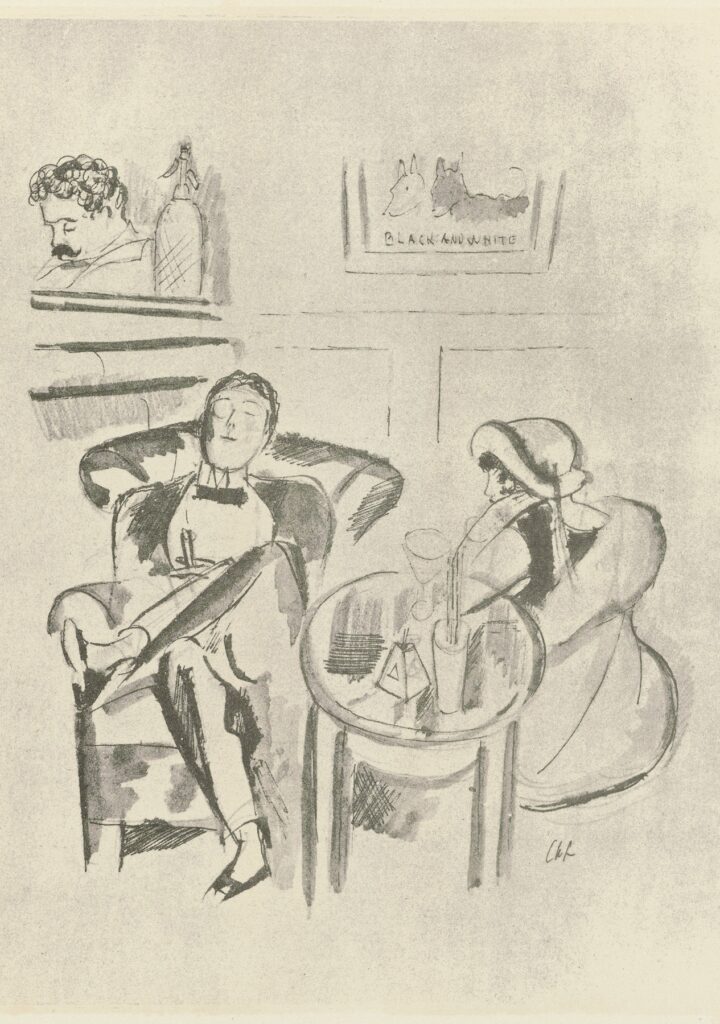
“Old Friends: A Memoir” by Jane Gillette
“Old Friends: A Memoir” by Jane Gillette examines the makings of the people we know or once knew. No matter the passage of time or furthering of distance, the love and remembrance that lingers for our “Old Friends” offers a space to which we can return home, even if that space is confined to memory.
TMR’s online-only prose anthology, BLAST features prose too vibrant to be confined between the covers of a print journal.
***
Old Friends: A Memoir
His wife called to tell me my old friend Steve had pancreatic cancer, but he was responding well to chemotherapy. A few weeks later, he died: August 17, 2018. A year later, September 29, 2019, I listened to the speakers at Steve’s memorial service, who focused, quite appropriately, on his anti-war activities, his political concerns, and how he loved to teach tax law. Well, I thought, mine was a different Steve. Although I’m hampered by memory’s flaws, I am now writing down some memories, flawed or not, because I feel they address the issues of why my Steve was different from their Steve and what an old friend is.
What does that mean? Old Friends. Steve was born in 1945. I was born in 1943. The olden time. We were close friends for ages, although we were much less close after I moved to the West Coast in 2000 with a new husband and Steve married Laura. Old Friends. We were never lovers, probably because we were always in love with somebody else, somebody we always needed to talk about with somebody who’d understand. We also talked about what we were reading, especially if it related to the somebody we were in love with.
Steve and I met when I was an adjunct teacher of English at the university and took part every Friday afternoon in the five o’clock meeting of The Committee, which met at The Tombs, a local bar, where we celebrated the end of the week with a beer. Everybody but me was an assistant professor in the Classics, English, Philosophy, or Economics Department, where they would eventually get tenure and graduate to the real committees that met on Friday afternoons to keep the various departments running. The Committee was a lot of fun, but I stopped attending when I quit teaching, so I’m not sure how long it lasted. I quit teaching when I finally admitted to myself that I didn’t believe in literary criticism, let alone the required freshman English classes taught by adjunct professors, a position from which I would never be elevated. In part because I only wrote short stories.
When I met Steve, The Committee was going strong. I was a faithful attendee the weekend some students built a shanty town in front of the university in order to protest South African apartheid, and, one thing leading to another, the police arrived on the scene and arrests were made. But, given that they were students, so were deals, one of which was that no charges would be pursued if the university convened a class on apartheid. And so, in some mysterious fashion, the university transformed The Committee into “students,” which meant that in addition to Fridays at five, The Committee (in disguise) convened on Wednesday afternoons under the direction of a professor from the Law School who was very involved with the South African issue.
From the beginning, Steve and I wondered if we hadn’t met before. In 1970, both he and my then-husband had worked for the Moratorium, a multiparty effort to stop the Vietnam War. Usually I was off in the Library of Congress working on my dissertation—tough when you are beginning to have severe doubts about literary criticism—but I do remember when my then-husband and I and a sweet intern from Arkansas, Bill Something-or-Other, sat in the Senate balcony and watched the McGovern-Hatfield Amendment go down to defeat. There were only the three of us because everybody else (like Steve) knew defeat was inevitable and was off on vacation.
So, I had no early memory of Steve. Still, when he arrived to teach the course on apartheid, I recognized a brilliant teacher of tax law, perfectly willing—because of a highly developed social conscience—to waste time and energy “teaching” a tableful of professors what they already knew about: the essential wickedness of apartheid. Of course, the academic penance role of The Committee quickly evaporated. Maybe the best class event was a protest outside a building on Massachusetts Avenue that had something to do with China, a protest where I clearly remember the presence of Little Stevie Wonder, not so little anymore.
(My friend Vicky says the fake Committee class didn’t happen. She says I just dreamed it up. But if it didn’t happen, why do I remember it?)
Over the years, Steve and I were distant friends who were increasingly less distant. I remember, vaguely, the occasion on which Vicky and I were invited to Steve and Gaylord’s house to admire their little daughter. (Vicky, a Classics professor, was a member of The Committee, and Gaylord was Steve’s wife.) The house was in a fancy DC neighborhood, and perhaps the location added to my distinct memory that Vicky and I were being judged as possible guests at future social occasions. (I seem to remember attending a few subsequent cocktail parties. No dinners. No Vicky.)
During this period, Steve and I talked occasionally on the phone. I can’t remember what we talked about. I do remember when Gaylord came out of her closet and left Steve. (Maybe she fell in love with her tennis instructor?) Anyway, this was when our real friendship began. Steve called me every night because he really needed to talk about Gaylord. (Not that he always told the truth.) And our friendship deepened when my then-husband left me. (Nor did I.) And we loved to talk about what we were reading. Or said we were reading: The Charterhouse of Parma? The Desire and Pursuit of the Whole? The Magic Mountain? Love in the Time of Cholera? Did I ever run one of my stories by him? Probably not.
Steve soon or already had a girlfriend involved in South African affairs, and he frequently journeyed to Cape Town, until the girlfriend—Martha (?)—moved to London, a much shorter romantic commute. No matter where he was, I talked with him on the phone almost every night about Martha and our other current and past loves and—always—what we were reading, and I do recall Steve’s good advice about surviving transatlantic flights like the ones he took between DC and London at least once a month: Have a friend drive you to the airport. As soon as you get on the plane, drink a glass of red wine, then drink a glass of white wine, and then go to sleep. He cited this simple routine as a proven method to ensure you arrived in one piece. He also told me about having sex in an airplane bathroom. He said everybody did it and seemed to enjoy themselves. I’m afraid I never drove Steve to the airport. I wonder who did.
So, here are a few other things about Steve. His brother was a jazz musician—piano? saxophone?—and one night, Steve took me to his brother’s gig. He was wonderful, yet as totally unlike Steve as two men could be. I also attended Steve’s Passover celebrations, which his mother and father sometimes attended. His mother was motherly and his father was rich, having made a fortune developing shopping centers. (This was a long time ago.) I also became a frequent guest at Steve’s non-Passover dinner parties, occasions of two sorts. One was Formal with attractive, important DC couples, wine, and good food. Two was Everyday, just Steve and me and children, his and/or mine. The food for all those dinners came from the Yenching Palace on Connecticut Avenue, which seemed to deliver food to Steve’s house every night. Once in a while, Steve and I met for lunch. In particular I remember the day my divorce came though. A lunchtime celebration. After all, it was November 9, 1989, the day the Berlin Wall fell.
Steve also took me to parties. For example, one afternoon he introduced me to IKEA, where we bought Swedish meatballs for a festivity at the Cleveland Park residence of Steve’s friend Daryll (?), a well-known Washington lawyer. When I dropped a lover who then began stalking me, Steve took me to Daryll’s office, and Daryll told me to get a good friend (not from DC) to call the stalking ex-lover and threaten to tell all to his rich wife. It worked. Years later, after my stalking ex-lover’s wife died, the jerk started dating Darcy, a widow who lived across the street from Steve, and Steve was afraid he would start stalking Darcy. I insisted nothing was likely to happen unless Darcy dumped him, and what could Steve do about that? (Maybe take her to a good lawyer?)
Steve and I also went to the movies, usually with children. I recall taking a raft of girls from his daughter’s class at Sidwell to see Titanic. The only time Steve and I travelled together was a weekend at his house in Santa Fe. We toured the town, ate at the best restaurants, and visited the Georgia O’Keefe home and El Santuario de Chimayo with its sacred sand pit.
Steve was always very generous with good advice. After I got divorced, he helped me do my taxes (which I’d never done before) and gave me a laptop computer that made a big difference in my life because it helped me write short stories at night after I came home from my wonderful job at the National Trust for Historic Preservation (luckily acquired after my university resignation).
I also remember things that show how much Steve cared about his children. For example, he did lots and lots of research before he bought a big SUV that was supposed to be safer than all other cars. I think it was a SUV. Steve and his ex-wife must have worked out a good custody agreement because the children were always around.
Early and late, Steve and I had some chance meetings that stick in my mind. For example, one day we ran into each other at the vet’s. He deposited his children’s dog (which I didn’t know they possessed), and I went off with him to have a drink, forgetting about my cat Dexter, whom I left in a carrying case in the vet’s lobby. It was only after the drink that I remembered I’d forgotten something. I don’t think Dexter held a grudge, but how could I have done such a thing? Because Steve was an old friend.
And this is what I remember from not so long ago, post-2000, after I moved to the West Coast with my current husband. I don’t remember exactly when Laura came on the scene, but it was a wonderful occasion. At last Steve and I had no reason to talk on the phone every night because at last he was happy. (Laura was a law professor at NYU. Perfect!) Over the years, I came to Washington less frequently, and it seemed to me that when I was there, Laura and Steve were out of town, travelling. I remember envying their stay at the Europa in Venice, something I made sure to do when the opportunity arose. I know they had a house on Nantucket (?), where Laura loved to garden. And Laura kept her apartment in New York. Steve did come to San Francisco once—to visit his first(?) wife in a fancy nursing home that resembled a lunatic asylum. I’d thought Gaylord was his first(?) wife, but apparently she wasn’t. It wasn’t surprising I didn’t know, because even though for decades we talked about the past, what we talked about was not all of the past.
And I’m afraid I also remember some things about Steve that make absolutely no sense. For example, that night Steve and Carl (?) came over to my house during Clinton’s second inauguration to change clothes. Where were they going? The Inaugural Ball? Where had they been? Why did they come to my house? I didn’t know why. I still don’t. At one of Steve’s parties, somebody with a little too much to drink told me that Carl worked for the Secret Service—as did Steve. Was this true? The Secret Service! It seemed unlikely. But maybe protecting presidents was Steve’s little hobby? He never told me about it, perhaps because I was careful to never ask. Even though I suppose I mourned all those brilliant Secret Service short stories that could never get written.
When Laura called to tell me that Steve had pancreatic cancer, I thought she said prostate cancer, so I was very optimistic. Then I realized what she’d really said and called back to say how awful this was. I said I’d fly out to see him, but she said no, it was not a good idea. Steve was too sick to see anybody. But I felt driven by the rule that we must visit the sick, old friends or not, visit them and pray for them when they die. Well, I couldn’t visit Steve . . . and pray? I don’t pray. And yet maybe this bit of writing is a prayer of sorts, a prayer for an Old Friend.
Who is undoubtedly up there in Heaven making new Old Friends.
***
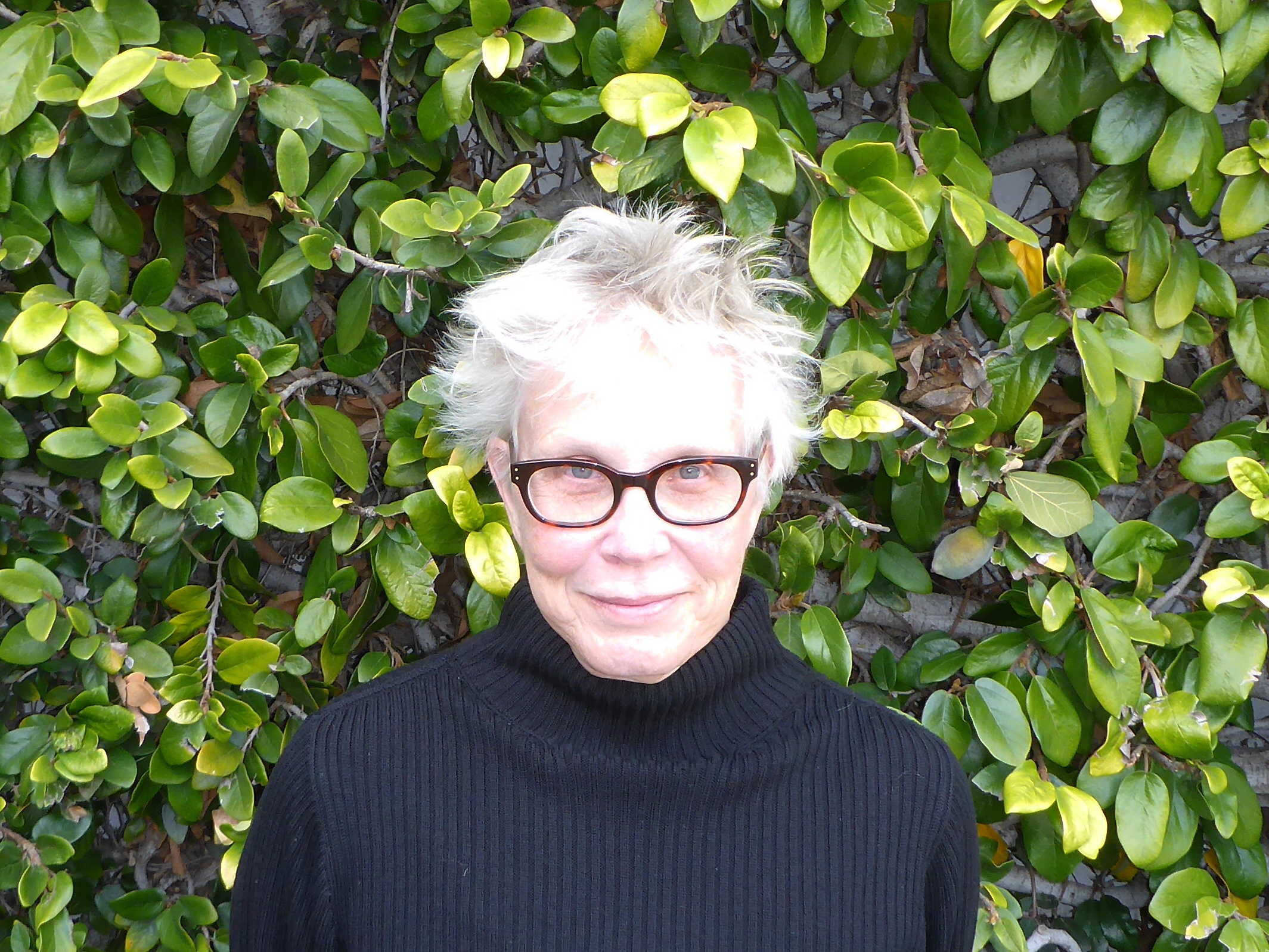
Jane Gillette has published short fiction in a variety of journals including Hopkins Review, Antigonish Review, Michigan Quarterly Review, Virginia Quarterly Review, and The Missouri Review. She has won a Lawrence Foundation prize and an O. Henry prize. Missouri Review Books published a collection of her stories in Fall 2017: The Trail of the Demon and Other Stories.
SEE THE ISSUE
SUGGESTED CONTENT
Blast
Nov 05 2026
“Talking with My Mother at Midlife” by Andrew Cohen
A meditation on the crossroad that occurs at the cusp of middle and old age, “Talking with My Mother at Midlife” by Andrew Cohen approaches the grounding effect familial love… read more
Blast
Oct 22 2026
“Buckle Up” by Tyler Ayres
“Buckle Up,” is a story about two relationships of well-intentioned dysfunction and how they compare in a spontaneous moment. TMR’s online-only biweekly series, BLAST features prose too vibrant to be… read more
Blast
Oct 08 2026
“Starting Over” by Joseph Hamaker
In Joseph Hamaker’s short story, set in the busy years after World War II, the young son of a father who can do anything witnesses sudden devastation. Something can be… read more