
From Our Authors | November 01, 2024
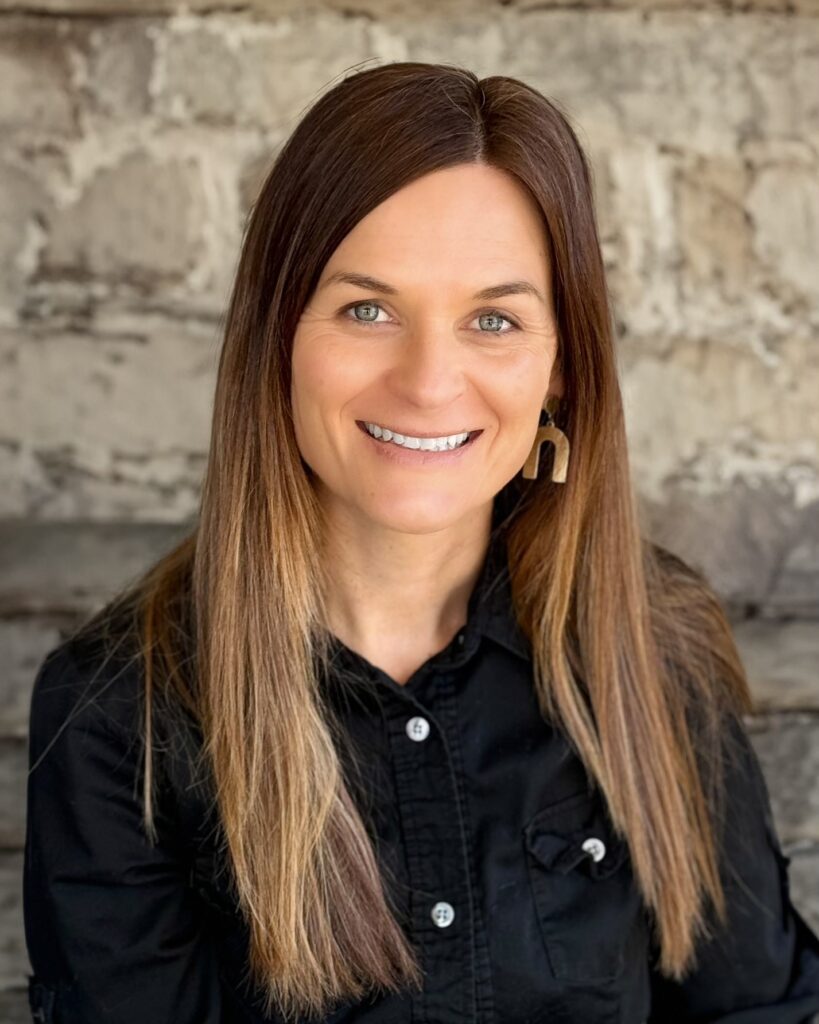
An Interview with Jennifer Anderson
TMR intern Rhéa Krumpelman interviewed Jennifer Anderson about “Rockdale,” an essay in which a young couple confronts the harsh realities of renovating an old Wisconsin farmhouse. First published in TMR issue 47.2 (Summer 2024), the essay meditates on the strain and retrospective joy that Anderson experienced in making a house into a home for her family.
***
Rhéa Krumpelman: What was the biggest challenge you faced when writing this piece?
Jennifer Anderson: I most struggled to decide which materials to use to build the story of the Rockdale renovation in a way that would hold the reader’s interest and attention. The challenge was how to capture the heft of the project, and evoke a sense of its sustained stress, without bogging down the narrative with the minutiae of construction details. Funny how materials were what most confounded me in the telling of a building project. I also tried to bolster some of the story’s weight by crafting strong and compelling sentences. I will follow a writer almost anywhere if they lead me line after line, like footsteps by flashlight.
RK: As an essayist, have you discovered any unique struggles or joys in writing about real-life experiences, locations, and people?
JA: I can’t say that I’ve made any unique discoveries while writing nonfiction, though lately, in my more personal essays, the concepts of memory and truth have most compelled me, specifically the permeability of their membranes and their susceptibility to influence. (Clearly, quizzing my son for his biology test has me thinking in science metaphor.) Recently, my older sister and I compared what we remembered about the contents and rules of our father’s kitchens; our memories became a Venn diagram of sorts. I began to reexamine details that I’d used in an essay, specifically those that cast him in unfavorable light, questioning my memory—and my motive. Recent classes and readings have inspired me to explore questions about memory and truth on the page and lean harder into uncertainty and doubt. This exploration has brought more freedom, even joy, to the writing process.
RK: Do you have a favorite scene from “Rockdale”?
JA: The attic scene comes immediately to mind as a favorite, perhaps because the moment closely represents the greater bewilderment and disorientation of those early project years. I had little concept of time while blowing insulation into the attic that evening, stumbling around in the dark as I tried not to fall through the spaces between the rafters. My husband, outside and two stories below, couldn’t hear me—it would’ve been pointless to ask him how long it would be before we could finish, get warm, wash off the insulation, find food. The night is hilarious to me now, especially the moment we showed up to the neighbor’s video store in our filthy work clothes to rent The Money Pit. I remember how arresting his seriousness had felt at the time, as if he not only witnessed our foolishness on daily display but saw the futility of our harrowing project— neither of which he found funny.
RK: Do you have any advice for other young twenty-somethings on the verge from straying from suburbia and a “safe and tidy life?”
JA: What a great question! Yes, I would wholeheartedly encourage twenty-somethings to resist the trappings of suburbia, at least for a time, to discover and explore themselves. I don’t know a better way to find your borders and understand your boundaries without first getting a little lost, being uncertain, maybe even scared. (For the record, I enjoy none of these things.) Living with this discomfort can yield such growth and resilience, hard as I’ve tried to squirm from its grasp. For me, suburbia represented comfort, safety, a sense of control; I wanted to reside in those illusions for as long as life would let me, which turned out to be not that long. There is, however, the matter of one’s capacity, one that largely varies from person to person, that edge where stress crosses over into crisis; wisdom heeds this warning. During the first few years of the Rockdale project, we camped out at that very cliff. I recently heard someone talk about the ways in which our internal and external environments can both affect and mirror one another. I love this concept for all the ways it suggests we should tend to our inner and outer landscapes, that entropy need not be the default despite the energy required to temper its effects.
RK: What are some of your current projects (literary, remodeling, or otherwise)?
JA: My current projects include learning all things office after starting my first desk job (apparently, imposter syndrome isn’t exclusive to writing), beginning my first narrative medicine class through Columbia University’s online certification program, and reading through a stack of essay collections I checked out from the library, as much for writing inspiration as for procrastination. For my next writing project, I’d like to explore incorporating research of some kind. In the meantime, I’m trying to pay attention to what sorts of things I notice, whether while reading, walking, listening, or thinking. As for home projects, I dream of starting another. For years, I’ve half-joked, half-threatened to build a tiny A-frame house with a hitch, designed and curated down to the last teacup and hand towel—not that I currently have the funds. I’d escape to read and write or rent out the mobile retreat to others in need of a quiet space to create. For now, I’m sticking to projects of smaller scope and scale, like convincing my teenaged son to let me help him rearrange his room or decluttering every closet, cupboard, and drawer.
***
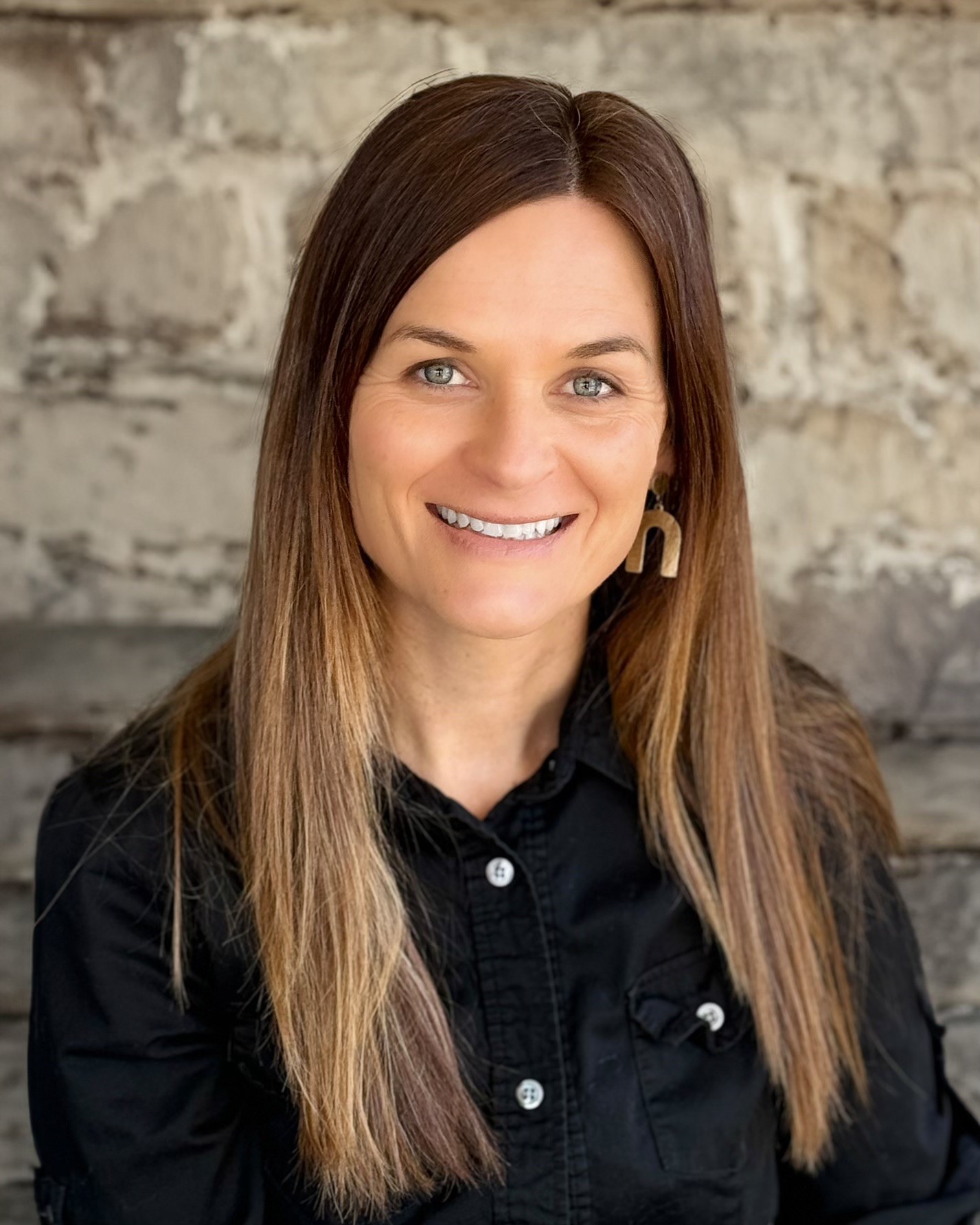 Jennifer Anderson has worked as a psychiatric nurse for children and adolescents for more than twenty years. She has workshopped numerous essays and short stories with Madison Writers’ Studio and holds an MFA in creative nonfiction from Antioch University. She lives northwest of Rockdale with her husband and their three teens.
***
Rhéa Krumpelman is a 2024 fall intern at the Missouri Review. She is a junior at the University of Missouri-Columbia, where she is majoring in English.
SEE THE ISSUE
SUGGESTED CONTENT
Featured Prose
Feb 05 2026
A Conversation with Julia Ridley Smith
Fall 2025 Missouri Review interns Graham Medric George ’27 and Sofia Louise Ottolini ’27 interviewed Julia Ridley Smith about Sex Romp Gone Wrong, her recent short-story collection, when she visited… read more

Featured Prose
Aug 21 2025
An Interview with Peter Mountford
Anne Gimm interviewed Peter Mountford about his collection of short stories, Detonator, published by Four Way Books in September 2025. “Love of Her Life,” a story about a woman who… read more
Featured Prose
Jun 13 2025
An Interview with Tate Gieselmann
TMR intern Haley Schmid interviewed Tate Gieselmann about “Mouse,” a story about a drug addict hustling to pay a debt. First published in TMR issue 47.4 (Winter 2024), the story… read more